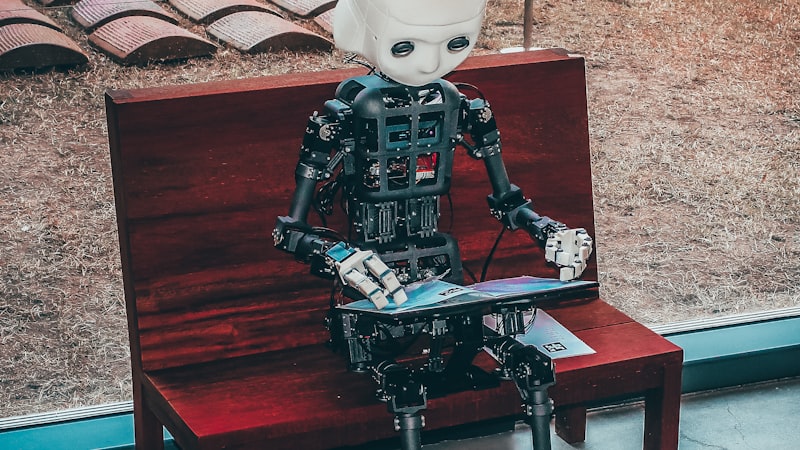
The Convergence of Artificial Intelligence and Human Biology
We are standing on the precipice of a profound healthcare revolution. The traditional reactive medical model—where we wait for symptoms to manifest before taking action—is rapidly being replaced by a proactive, hyper-personalized era of biohacking and health tech. Powered by advanced machine learning algorithms and miniaturized sensors, the latest generation of wellness devices goes far beyond simple step-counting. They decode our physiological signals in real-time, offering unprecedented insights into stress, metabolic health, and sleep architecture.
Breakthroughs in Next-Gen Wearables: Stress and Blood Pressure
For years, tracking blood pressure meant strapping an uncomfortable cuff around your arm, while measuring psychological or physiological stress relied on subjective user reporting. Today, tech giants and agile startups alike are transforming optical sensors and neural networks to track these critical metrics continuously and unobtrusively.
- Cuffless Blood Pressure Monitoring: Utilizing Photoplethysmography (PPG) combined with electrocardiogram (ECG) data, advanced algorithms analyze pulse wave velocity to estimate blood pressure trends dynamically throughout the day and night.
- Biometric Stress Tracking: Modern wearables track Heart Rate Variability (HRV), electrodermal activity, and skin temperature to detect sympathetic nervous system activation before the user even feels overwhelmed.
DNA-Based Personalized Nutrition: Eating for Your Code
The one-size-fits-all dietary guideline is officially obsolete. Biohackers and forward-thinking nutritionists are leveraging consumer genomics to tailor macronutrient ratios, vitamin supplementation, and meal timing directly to an individual's unique genetic polymorphisms.